 The Landsby, Merrion Ave, Stanmore. HA7 4RY
  Monday–Friday, 3:00 pm–8:00 pm; Saturday, 8:00 am–1:00 pm
  02038118464
  info@physivity.co.uk
 02038118464
  info@physivity.co.uk
Dry Needling in Stanmore
An optional technique that may be used within a wider physiotherapy and rehabilitation plan.
20+
Years Experience
10,000+
Patient Consultations Delivered
6
Days a Week
Book a consultation
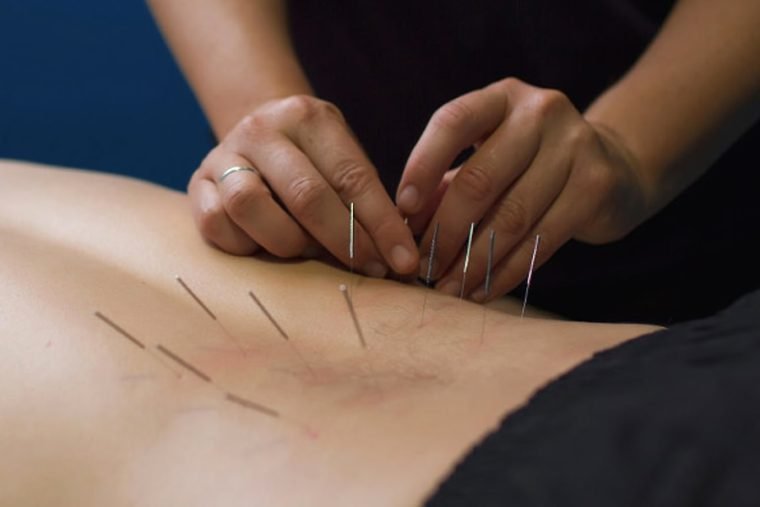
Dry Needling Within a Wider Rehabilitation Plan
Dry needling is a technique used by some physiotherapists as one possible part of a wider rehabilitation programme. It may be considered for selected muscle-related or myofascial symptoms following an appropriate clinical assessment.
Evidence and individual response vary depending on the condition. Dry needling is not required for physiotherapy and may not be suitable for everyone. Your physiotherapist will discuss alternatives, possible benefits, limitations and relevant risks before asking for your consent.
What to expect

Assessment before treatment is considered
An explanation of alternatives and possible outcomes
Dry needling only with your consent
Use within a wider rehabilitation plan where appropriate
Advice about expected short-term effects and aftercare
Dry Needling for Muscle Tightness and Myofascial Pain

Muscle tightness
Dry needling may be considered for areas of muscle tightness where your physiotherapist considers it suitable.

Myofascial pain
The technique may form part of care for myofascial pain following an appropriate clinical assessment.

Muscle-related symptoms
Your physiotherapist will assess your symptoms and movement to determine whether muscle-related treatment may be appropriate.

Sports-related problems
Where muscle tightness or myofascial pain is affecting activity, dry needling may be considered as part of a wider physiotherapy programme.

Movement difficulties
If muscle tightness is affecting movement, your physiotherapist can assess the contributing factors and discuss suitable treatment options.

Combined physiotherapy
Dry needling can be incorporated into a wider treatment programme alongside physiotherapy, exercise and rehabilitation where appropriate.
Possible Effects and Safety
Possible short-term effects include soreness, minor bleeding, bruising, light-headedness and a temporary increase in symptoms. Less common or rare complications can include infection, nerve injury and pneumothorax when needling near the chest. Your physiotherapist will explain risks relevant to the area being treated.
Tell your physiotherapist if you are pregnant or may be pregnant, take blood-thinning medicine, have a bleeding disorder, have an infection, have reduced sensation, are immunosuppressed, feel unwell or have previously reacted badly to needling. This list is not exhaustive, and suitability is assessed individually.
Meet Our Specialists
Physivity is led by experienced physiotherapists with specialist interests in musculoskeletal assessment, rehabilitation and diagnostic ultrasound.

Nipun Seth
MSK Physiotherapist and Sonographer
Nipun Seth is an experienced musculoskeletal physiotherapist and MSK sonographer. He completed his Master’s degree in 2001 and has worked across NHS and private healthcare settings for more than 20 years. His work includes musculoskeletal assessment, rehabilitation and diagnostic ultrasound. Where clinically appropriate and within his verified scope of practice, he also provides image-guided procedures.
Clinical interests Shoulder conditions, ankle injuries, diagnostic MSK ultrasound and image-guided procedures.

Nehal Seth
MSK Physiotherapist
Nehal Seth is an experienced musculoskeletal physiotherapist who qualified in 1999 and has more than 20 years of clinical experience. Her interests include neck-related musculoskeletal conditions, temporomandibular joint concerns, myofascial and persistent pain, sports injuries and rehabilitation. She has undertaken further clinical education and is a McKenzie Certified Therapist.
Clinical interests Neck-related conditions, temporomandibular joint concerns, myofascial and persistent pain, sports injuries and rehabilitation.
Want to book with one of our specialists? Our team is ready to help you get started.
Book AppointmentHow Dry Needling Treatment Works
Dry needling begins with an assessment of your symptoms and musculoskeletal needs. Your physiotherapist will explain the treatment and discuss whether it is suitable for you.
Initial assessment
We discuss your symptoms and assess movement, muscle function and the factors that may be contributing to your condition.
Treatment planning
If dry needling may be appropriate, your physiotherapist explains how it could fit into your wider plan, along with the alternatives and risks.
Treatment within your wider plan
With your consent, treatment is provided as part of your wider programme, which may also include physiotherapy, exercises and rehabilitation.
Why Choose Physivity for Dry Needling?
At Physivity, dry needling is considered within the wider context of your musculoskeletal condition. Our specialist team focuses on assessment first, followed by an appropriate treatment approach.

20+ years of experience
Our specialist physiotherapists have more than 20 years of experience in musculoskeletal healthcare.

Specialist MSK clinicians
Our team specialises in musculoskeletal assessment and treatment, including physiotherapy and MSK ultrasound.

Built around your goals
Your treatment is based on your symptoms, clinical assessment and recovery goals.

Combined rehabilitation
Where appropriate, dry needling can form part of a wider physiotherapy and rehabilitation programme.
Understanding Your Options
Treatment depends on the assessment and your individual circumstances. Options may include exercise and rehabilitation, education and advice, appropriate hands-on treatment, and other interventions where clinically appropriate.
Your clinician will explain the purpose of a recommended treatment, what it involves and any relevant alternatives or considerations, so the plan is agreed with you rather than handed to you.
Dry needling uses fine needles within a physiotherapy assessment and treatment framework. Although similar needles may be used, the clinical reasoning and approach are not the same as traditional acupuncture.
Ready to Address Muscle Tightness or Myofascial Pain? Book an assessment with our specialist team to discuss your symptoms and whether dry needling in Stanmore may be suitable for you.
Book Appointment