02038118464
 info@physivity.co.uk
 02038118464
 info@physivity.co.uk


Muscle and tendon concerns
Ultrasound may help examine selected muscle and tendon injuries or changes when the result is likely to influence management.
 The Landsby, Merrion Ave, Stanmore. HA7 4RY
 Monday–Friday, 3:00 pm–8:00 pm; Saturday, 8:00 am–1:00 pm

Our MSK ultrasound service uses detailed imaging to assess muscles, tendons, ligaments and joints, helping identify possible causes of pain and movement problems. We provide personalised muscle treatment in Stanmore, including ultrasound-guided procedures where clinically appropriate, to support accurate diagnosis and targeted care.
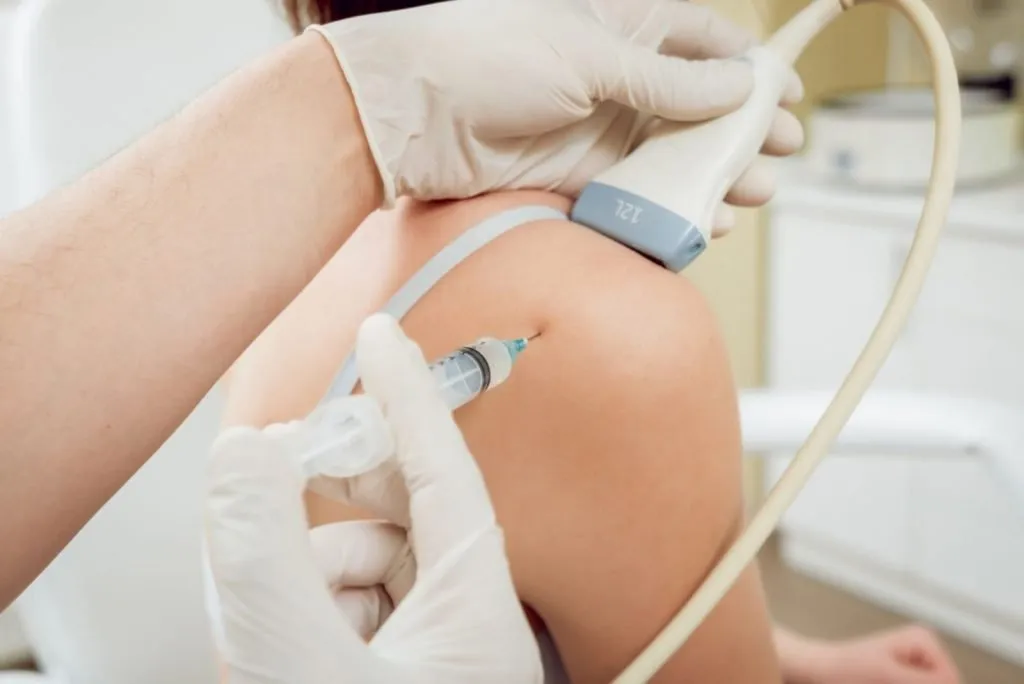
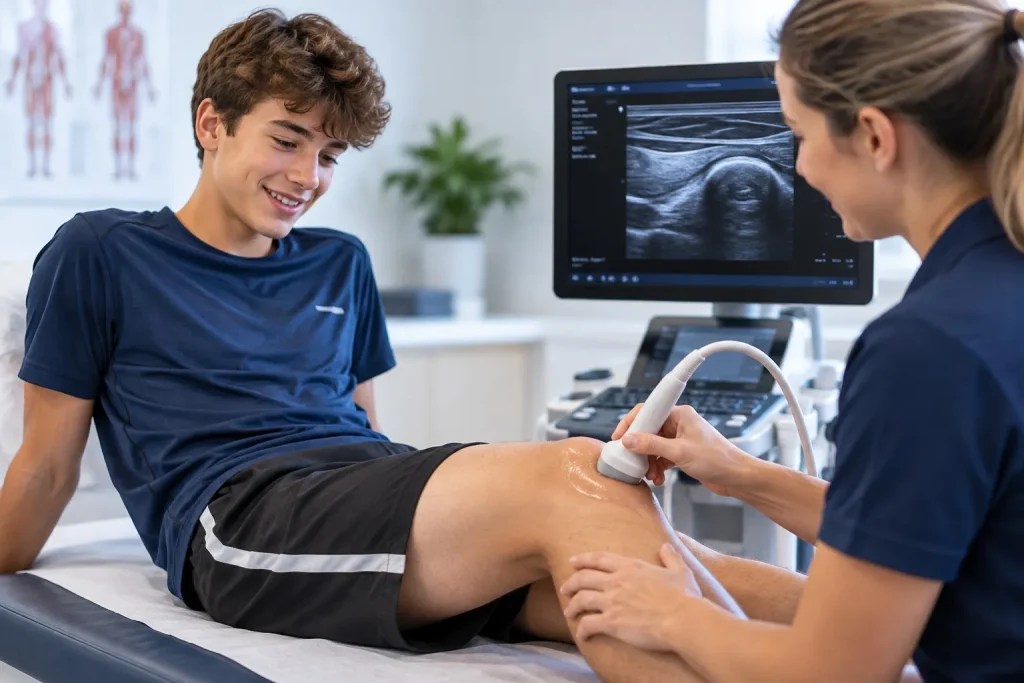
Musculoskeletal ultrasound is a non-invasive imaging investigation used to examine selected muscles, tendons, ligaments, joints and other superficial soft tissues. It can provide real-time and dynamic information, but it is not needed for every musculoskeletal problem and does not replace a clinical assessment.
When ultrasound is likely to add useful information, the clinician interprets the images alongside your symptoms, history and examination findings. Some conditions or structures cannot be fully assessed with ultrasound and may require another investigation or referral.
If an image-guided procedure may be suitable, the clinician will explain its purpose, alternatives, expected benefits, limitations and relevant risks. Our musculoskeletal service in Stanmore focuses on ensuring that any recommended procedure is appropriate for your condition and carried out only after an individual assessment and informed consent.
MSK ultrasound can help assess selected muscle, tendon, joint and soft-tissue concerns, providing additional information to guide clinical decisions and treatment options.
Ultrasound may help examine selected muscle and tendon injuries or changes when the result is likely to influence management.

Ultrasound may help assess selected superficial joint structures, fluid, bursae and inflammatory changes.

Ultrasound may assist with assessment of selected superficial nerves, subject to the clinician’s verified scope of practice.

Ultrasound may help characterise selected superficial fluid-filled structures and inform the next step.

Ultrasound may be useful for selected soft-tissue injuries. It is not appropriate for every sporting injury.

Ultrasound helps clinicians guide injections towards the intended area with greater precision. Our ultrasound guided injection service in Stanmore is offered when clinically appropriate.
From understanding your symptoms to reviewing imaging findings and discussing treatment options, our team helps you make informed decisions about your care.
We discuss your symptoms, medical history and concerns before carrying out a physical assessment tailored to your condition.
Where clinically appropriate, we use ultrasound to examine selected muscles, tendons, ligaments and joints to support your assessment.
We explain your findings and discuss suitable options, which may include physiotherapy, rehabilitation, further investigation or an image-guided procedure.
For patients considering MSK treatment in Stanmore, we offer experienced clinical care, detailed ultrasound assessments and image-guided procedures where appropriate, with clear guidance and personalised treatment recommendations.
Our clinicians bring over 20 years of experience in assessing and managing a wide range of musculoskeletal conditions.
Our team combines physiotherapy knowledge with diagnostic ultrasound to provide a more informed assessment of your condition.
Where appropriate, ultrasound helps clinicians visualise the targeted area and guide procedures with greater anatomical precision.
We consider your symptoms, assessment findings and individual goals when discussing suitable treatment and rehabilitation options.
Not necessarily. Many musculoskeletal concerns can be assessed and managed without imaging. Ultrasound may be useful when it is likely to provide information that could affect management. Your clinician will also consider whether another investigation is more appropriate.
Not always. Ultrasound can show changes in selected tissues, but scan findings do not necessarily explain symptoms. Results are interpreted alongside your history and clinical examination.
Provide a complete list of medicines and allergies and tell the clinician about blood-thinning or antiplatelet medicine, diabetes, infection or antibiotics, pregnancy or breastfeeding, immune problems, recent or planned surgery, recent injections, previous reactions and any change in your health.
A procedure is not automatically required for every musculoskeletal problem. Whether one is appropriate depends on the problem being assessed, your clinical circumstances and your clinician’s judgement.
Where a procedure is being considered, your clinician will discuss the purpose, the expected benefits, the relevant risks and the alternatives with you before anything is agreed.
Fields marked with an * are required